February 8, 2026
Most homeowners think of their water heater as a quiet utility that simply does its job in the background. It heats water, stores it, and delivers it when needed. Because it operates out of sight, it's easy to assume it's running efficiently as long as hot water is available. In reality, many water heaters waste energy every day in ways that aren't obvious until higher utility bills or performance issues appear.
Energy loss from a water heater doesn't usually come from one major failure. Instead, it builds slowly through small inefficiencies that add up over time. From hidden heat loss to outdated settings and unnoticed leaks, these issues can increase energy use without triggering obvious warning signs. In this article, we'll break down the surprising ways a water heater wastes energy and explain why addressing these issues can improve efficiency, comfort, and long-term costs.
1. Heat Loss From Constant Standby Operation
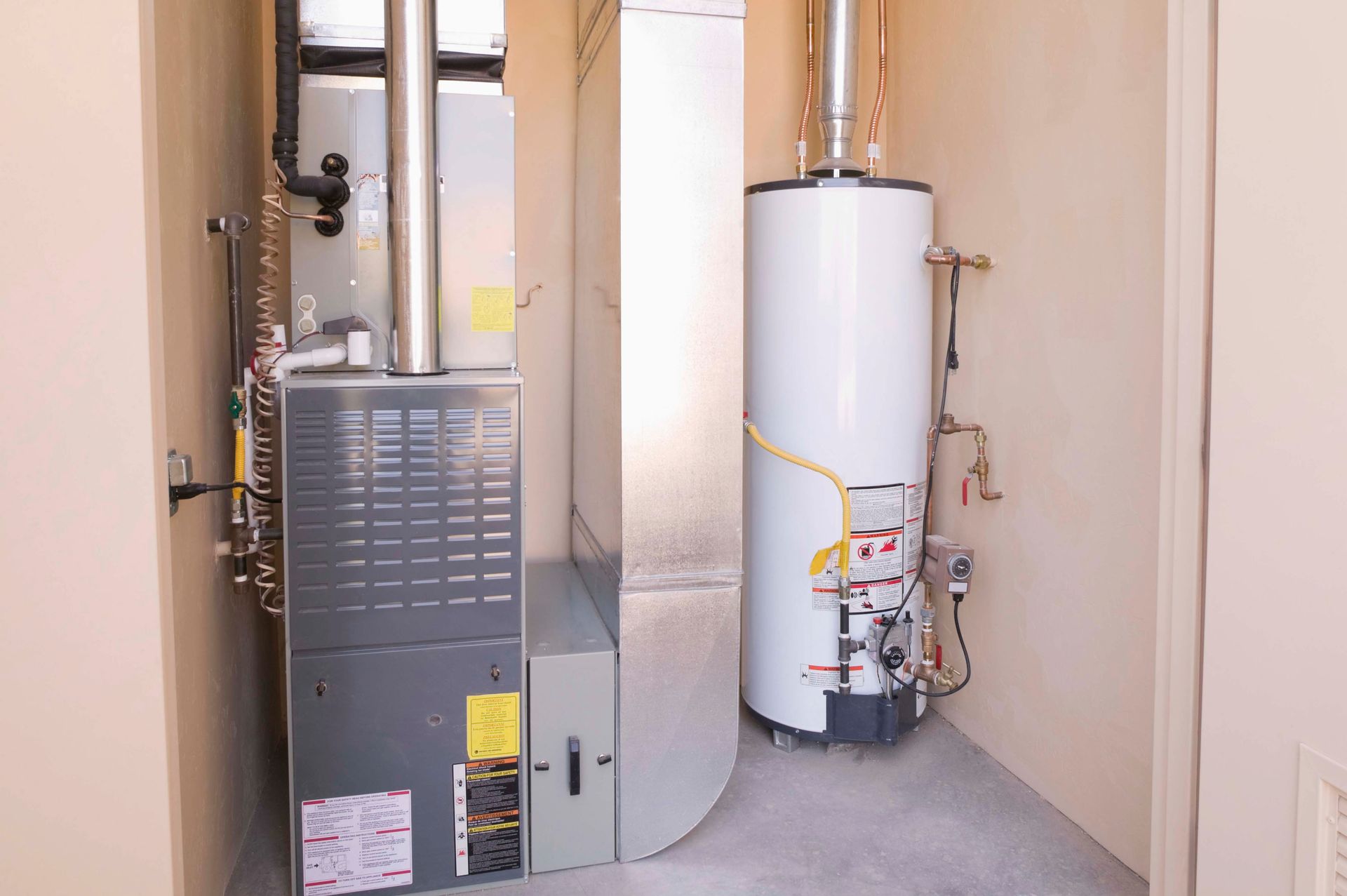
One of the most overlooked sources of energy waste is standby heat loss. Traditional tank-style systems keep water hot around the clock, even when no one is using it. As heat escapes through the tank walls, the unit cycles on repeatedly to maintain temperature.
This ongoing reheating consumes energy even during long periods of inactivity, such as overnight or while the home is empty. Older tanks or poorly insulated models lose heat more quickly, increasing how often the system runs.
While standby loss is part of normal operation, excessive heat loss signals inefficiency. Improving insulation or upgrading outdated equipment can reduce unnecessary energy use and ease the workload on the system.
2. Sediment Buildup That Forces Harder Operation
Sediment buildup inside the tank is another hidden contributor to wasted energy. Minerals naturally found in water settle at the bottom of the tank over time. As this layer thickens, it creates a barrier between the heating element and the water.
When heat transfer is blocked, the system must run longer to reach the desired temperature. This increases energy consumption and places added strain on internal components. In severe cases, sediment can cause overheating or premature wear.
Regular flushing helps limit buildup, but many systems go years without maintenance. As sediment accumulates, efficiency steadily declines without obvious symptoms until energy costs rise or performance drops.
3. Thermostat Settings That Work Against Efficiency
Many homeowners never adjust their thermostat settings after installation. Factory defaults or previous owner preferences may not align with actual household needs. When the temperature is set higher than necessary, the system uses extra energy to maintain that level.
Higher settings also increase heat loss and accelerate wear on components. Water that's too hot often needs to be mixed with cold water at the tap, which defeats the purpose of heating it so much in the first place.
Lowering the temperature to a practical range can reduce energy use while still supporting daily activities. Small adjustments often produce noticeable savings over time.
4. Leaks That Drain Both Water and Energy
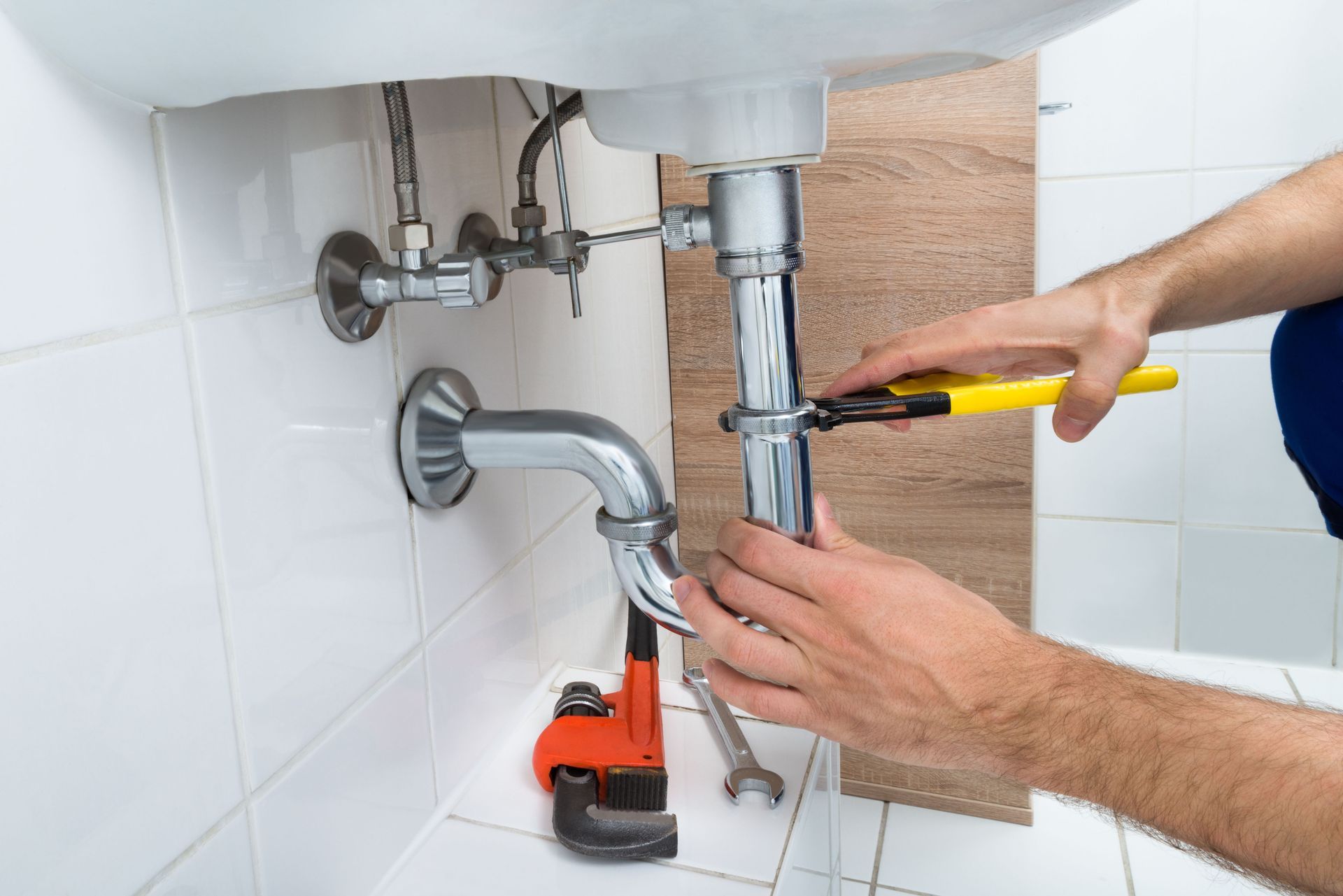
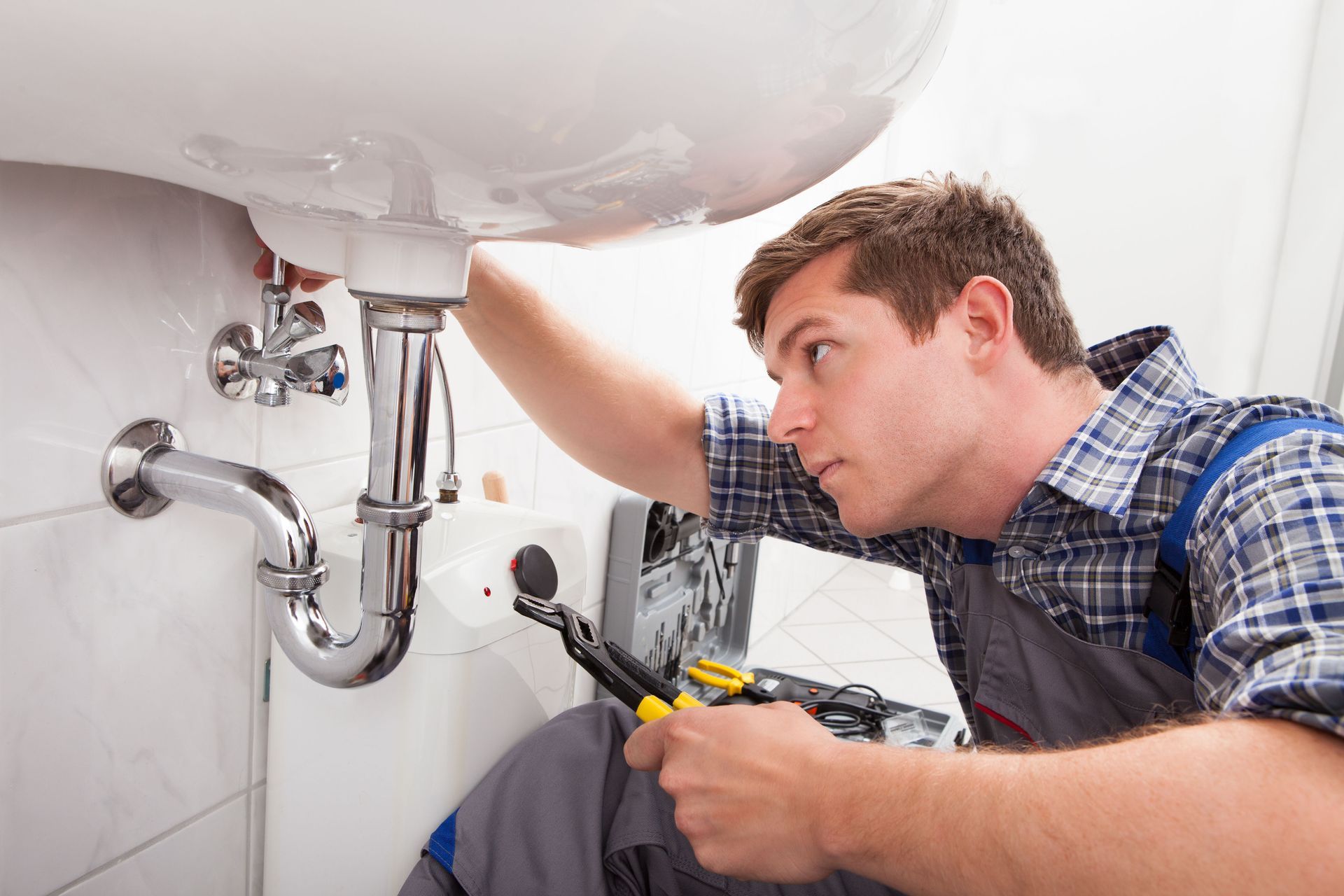
Leaks are one of the most costly and least visible sources of waste. Even small leaks in valves, fittings, or pipes connected to the system can lead to continuous water loss. Each gallon of leaked hot water represents energy spent heating water that never gets used.
According to This Old House, the typical household wastes around 10,000 gallons of water annually due to leaks. When those leaks involve hot water, the energy loss compounds the problem.
Some leaks remain hidden behind walls or near the base of the unit, making them easy to miss. Over time, this constant loss increases utility bills and forces the system to work harder to replace wasted hot water.
5. Aging Components That Reduce Performance
As systems age, internal components naturally wear down. Heating elements become less effective, thermostats lose accuracy, and insulation degrades. These changes reduce efficiency gradually, often without triggering immediate failure.
An aging water heater may still deliver hot water, but it often does so using more energy than necessary. Longer heating cycles and inconsistent temperatures are common signs of declining performance.
While maintenance can extend lifespan, older units eventually fall behind modern efficiency standards. At that point, energy waste becomes an ongoing cost that outweighs short-term savings from delaying replacement.
6. Long Pipe Runs That Lose Heat Before Use
The distance between the system and the fixtures it serves also affects energy efficiency. Long pipe runs allow heat to dissipate before water reaches the tap, especially if pipes lack insulation.
As a result, users may run water longer while waiting for it to heat up. This wastes both water and energy, particularly in larger homes or layouts where the system is far from bathrooms or kitchens.
Insulating pipes or improving system placement can reduce heat loss. Even modest improvements can shorten wait times and lower energy consumption over time.
7. Outdated Design Compared to Modern Efficiency Standards
Older systems were built to meet the standards of their time, which often prioritized capacity over efficiency. Advances in insulation, heating technology, and control systems have dramatically improved how modern units manage energy.
An outdated design may lack features that reduce cycling, improve heat retention, or optimize performance based on usage patterns. As a result, it consumes more energy to produce the same output as newer models.
Upgrading doesn't always mean immediate replacement, but understanding design limitations helps explain why some systems waste more energy than others.
8. Infrequent Maintenance That Allows Problems to Grow
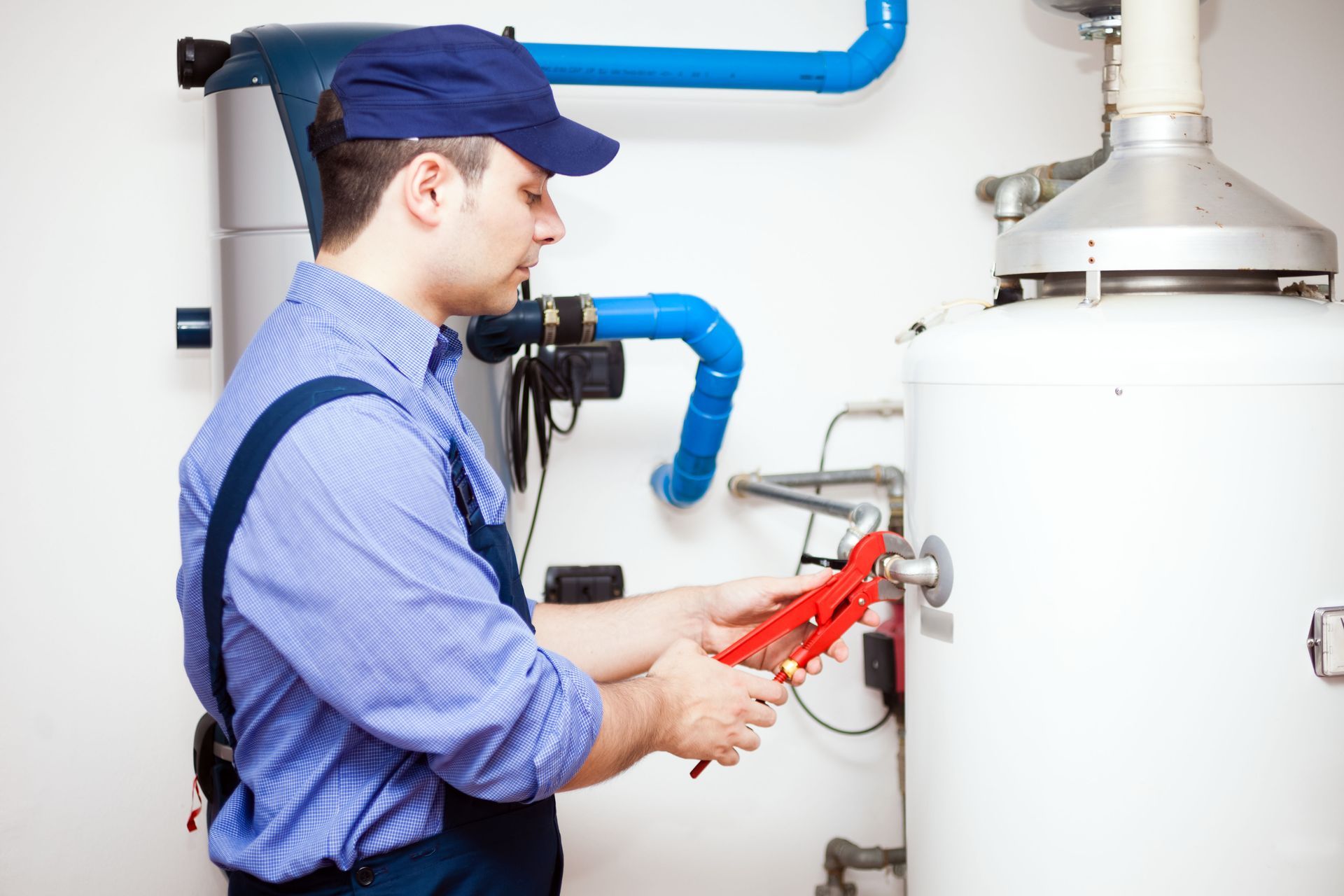
Routine maintenance plays a major role in efficiency, yet it's commonly overlooked. Small issues such as loose fittings, mineral buildup, or failing components worsen over time when left unaddressed.
Without inspections, inefficiencies remain hidden until they significantly affect performance or energy use. Preventive maintenance helps identify early signs of waste and keeps the system operating closer to optimal levels.
Consistent care supports both efficiency and reliability, reducing the risk of sudden breakdowns or costly repairs.
9. Usage Habits That Increase Demand Unintentionally
Daily habits also influence how much energy a system uses. Long showers, frequent hot water use during peak hours, and running multiple appliances simultaneously increase demand.
When demand spikes, the system must work harder to keep up, especially if capacity is limited or efficiency is already compromised. Over time, these habits contribute to higher energy consumption.
Adjusting usage patterns or spreading demand more evenly can reduce strain on the system and lower overall energy use.
10. Poor Insulation in Surrounding Areas
The environment around the system matters more than many homeowners realize. Units installed in unconditioned spaces, such as garages or basements, are exposed to colder air, increasing heat loss.
When surrounding temperatures drop, the system must compensate by running more frequently. Insufficient insulation in these areas magnifies energy waste, particularly during colder months.
Improving insulation around the unit helps maintain temperature stability and reduces unnecessary cycling.
Energy waste from a water heater rarely comes from a single obvious problem. Instead, it develops through a combination of heat loss, aging components, leaks, and overlooked maintenance. These inefficiencies quietly increase energy use while reducing overall performance.
Understanding these surprising sources of waste gives homeowners the opportunity to take control. Addressing small issues early can improve efficiency, lower utility bills, and extend system lifespan. If you suspect your system may be wasting energy, now is the time to act. Schedule a professional inspection with our team at Osborn Plumbing to take a smart step toward better performance, lower costs, and greater peace of mind.